


Imagine being able to bring your big idea or urgent need to life with just a few clicks. Crowdfunding platforms empower individuals and organizations to raise funds from a vast network of people who share their passion. By harnessing the collective support of online communities, anyone can gather the resources they need to make a difference.
In this article, we’ll delve into how crowdfunding works-from setting up your campaign to attracting backers and managing contributions. Understanding this process can turn your dreams into reality or provide the assistance someone desperately needs. Whether you’re looking to fund a creative project, medical expenses, or community initiatives, grasping the intricacies of crowdfunding will help you navigate the landscape effectively. Join us as we uncover the essential steps to successfully leveraging these platforms for your financial goals.
How Crowdfunding Platforms Facilitate Investment Opportunities
The crowdfunding landscape has transformed how entrepreneurs and investors connect, opening up a world of investment opportunities previously inaccessible to many. With platforms dedicated to facilitating these connections, individuals can support innovative projects while gaining potential financial returns. This dynamic creates a ripple effect in various industries, enabling creators, startups, and established companies to tap into a broad base of support.
Understanding Investment Types
Crowdfunding platforms offer various investment models that cater to diverse investor preferences. Here are some common types:
- Equity Crowdfunding: Investors purchase shares in a company, allowing them to participate in the business’s growth and earn returns based on its success.
- Reward-Based Crowdfunding: Backers contribute funds in exchange for unique rewards, such as products or services, often before the official launch.
- Debt Crowdfunding: Also known as peer-to-peer lending, this model allows investors to lend money to businesses or individuals in exchange for interest payments.
Each type serves distinct goals and risk profiles, empowering investors to select opportunities that align with their financial strategies and comfort levels.
Efficient Fundraising Process
One of the primary advantages of crowdfunding platforms is the streamlined fundraising process they facilitate. Entrepreneurs create campaign pages that outline their projects, funding goals, and the potential returns for investors. By harnessing the power of social media and online networks, these platforms extend outreach and attract a larger audience. This not only generates capital but also builds community support around the project.
Additionally, platforms often provide resources, such as marketing guidance and best practices, enabling campaign creators to present their ideas effectively. This education empowers small business owners and organizes efforts to maximize their success, which in turn benefits investors looking for promising ventures.
Transparency and Community Engagement
Investors benefit significantly from the transparency that crowdfunding platforms typically offer. Most sites provide comprehensive information, including financial data, project timelines, and progress updates. This openness fosters trust among investors, as they can monitor their investments’ performance and engage with project creators.
Furthermore, crowdfunding cultivates a sense of community. Investors often see themselves as part of the brand’s journey, leading to increased loyalty and advocacy. This communal aspect encourages ongoing funding and even repeat investments as initial supporters witness the project’s success and growth.
By bridging the gap between entrepreneurs and potential backers, crowdfunding platforms play an essential role in democratizing investments. They offer unique opportunities that not only encourage innovation but also empower individuals to support the ideas and ventures they believe in.
Understanding Different Types of Crowdfunding Models
Crowdfunding has revolutionized the way individuals and businesses raise funds, transforming dreams into reality for many innovators and entrepreneurs. Yet, not all crowdfunding models are created equal. Each type serves distinct purposes and can be tailored to fit various project needs and investor expectations. Understanding these models is crucial for both project creators and potential investors to make informed decisions.
Types of Crowdfunding Models
There are several prominent crowdfunding models, each designed to cater to specific objectives and demographics. Here’s a breakdown of the most common types:
- Donation-Based Crowdfunding: This model is often used for charitable causes or community projects. Backers contribute funds without expecting any financial returns; instead, they support a cause they believe in. Popular platforms like GoFundMe primarily operate under this model, showcasing heartfelt stories and personal missions that resonate with potential donors.
- Rewards-Based Crowdfunding: This model allows creators to offer backers various rewards-often in the form of products, services, or exclusive experiences-in exchange for their financial support. Kickstarter is a well-known example of this approach, where entrepreneurs can present their creative projects, garnering support while providing early access or unique perks to their backers. This model encourages engagement and loyalty among backers, as they feel part of the journey.
- Equity Crowdfunding: Unlike donation or rewards-based models, equity crowdfunding allows investors to receive equity stakes or shares in a company in return for their investment. Platforms like SeedInvest and Crowdcube facilitate this model, enabling startups to tap into a wider pool of investors. This model is particularly appealing for investors looking for potential financial returns, as their investment growth can directly correlate with the startup’s success.
- Debt Crowdfunding: Also known as peer-to-peer lending, this model involves individuals lending money to businesses with the expectation of repayment with interest. Platforms such as LendingClub and Funding Circle connect lenders directly with borrowers, often at lower interest rates than traditional banks. This option is ideal for individuals who want steady returns on their investments while helping businesses grow.
Choosing the Right Model
When deciding which crowdfunding model suits your project best, consider the nature of your audience and your funding goals. For instance, if you’re launching a creative product, a rewards-based platform might be your best bet to build a community and offer exciting incentives. Conversely, if you are aiming to scale a business with significant funding needs, equity or debt crowdfunding could provide larger sums of capital while establishing investor relationships for future growth.
As crowdfunding continues to evolve, understanding the advantages and limitations of each model can empower you to navigate the landscape effectively. By aligning your project’s needs with the right funding strategy, you can enhance your chances of success while contributing to a dynamic and growing ecosystem.
The Key Players in Crowdfunding: Campaigners and Backers
In the dynamic world of crowdfunding, the interplay between two key players-the campaigners and the backers-shapes the success of projects across various platforms. Understanding their roles and motivations not only demystifies the crowdfunding process but also equips both parties with strategies to enhance their experience and outcomes.
Campaigners are individuals or organizations seeking funding to bring their ideas to life. They come from diverse backgrounds, whether it’s an entrepreneur launching a startup, an artist funding a creative project, or a charitable organization aiming to support a cause. Successful campaigners typically share compelling stories, set clear goals, and offer attractive rewards to entice potential backers. For instance, consider a small business owner launching a new product; by presenting a captivating video that highlights the product’s unique features and the personal journey behind its creation, the campaigner can significantly increase engagement and funding success. Effective communication, transparency, and regular updates on progress are essential strategies for campaigners to build trust and maintain backer interest.
On the other side of the equation, backers are the individuals who provide the financial support that makes crowdfunding campaigns possible. They might be friends and family of the campaigner or complete strangers fascinated by the project. Backers are motivated by various factors, including the desire to support innovative ideas, gain early access to products, or receive exclusive rewards. Understanding what drives backers can help campaigners tailor their approaches. For instance, backers often appreciate personal engagement; a simple thank you note or an update about how their contributions are making a difference can strengthen the relationship and encourage further investment in current or future campaigns.
The interactions between campaigners and backers occur in a vibrant ecosystem where communication and community play pivotal roles. Many platforms offer features that facilitate this interaction, such as comments sections, social media sharing options, and internal messaging systems. Campaigners are encouraged to foster a sense of community by actively engaging with backers, responding to their questions, and creating a dialogue around the project. This not only enhances backer loyalty but also encourages them to share the campaign within their networks, expanding the reach and potential funding pool.
As crowdfunding continues to grow, understanding the motivations and behaviors of both campaigners and backers becomes critical. Whether you’re looking to launch a campaign or back an idea that resonates with you, positioning yourself within this framework can lead to successful funding ventures, strong community connections, and ultimately, transformative projects that make a difference.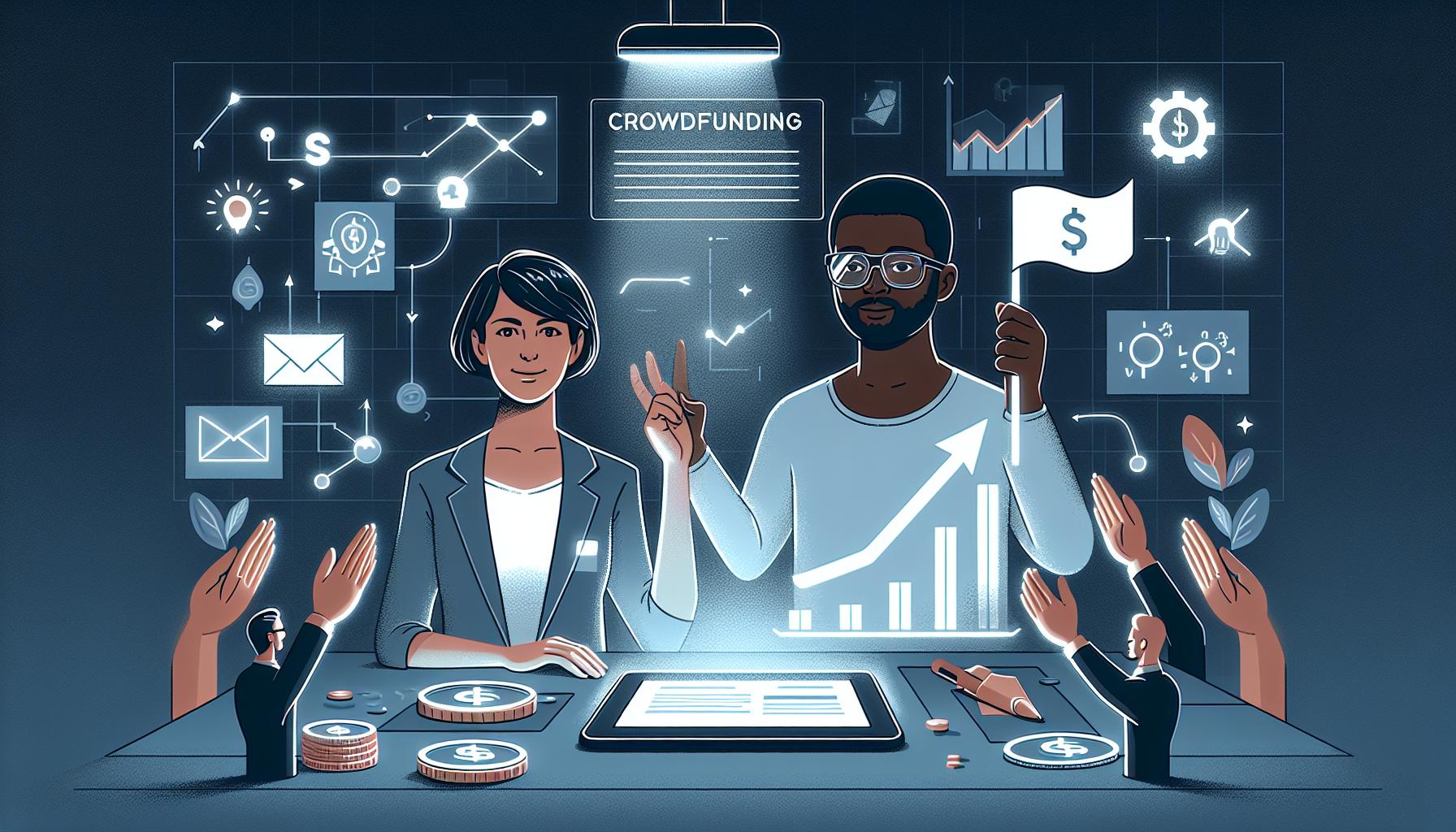
Step-by-Step: How to Launch a Successful Crowdfunding Campaign
Launching a crowdfunding campaign can be a transformative step for aspiring entrepreneurs, creatives, or even non-profit organizations seeking financial support. In fact, according to a recent study, successful crowdfunding campaigns have raised billions of dollars annually, indicating a thriving marketplace for innovative ideas. However, a successful launch requires meticulous planning and execution. Here, you will find a breakdown of essential steps to ensure your campaign stands out and attracts the support it needs.
Define Your Goal and Audience
Before diving into the campaign setup, it is crucial to establish a clear financial goal and identify your target audience. Your funding target should be realistic, taking into account the costs associated with your project as well as a bit of buffer for unforeseen expenses. For example, if you are creating a new gadget, calculate manufacturing, marketing, and shipping costs, then add a 10-20% cushion. Next, pinpoint your audience. Are they tech enthusiasts, lifestyle consumers, or art supporters? Understanding your backers will tailor your messaging and outreach strategies effectively.
Create Compelling Content
Content is king in the crowdfunding world. Your campaign page should encompass eye-catching visuals, a captivating story, and enticing rewards. People are more likely to contribute if they feel connected to your vision. Utilize high-quality videos and images that showcase your project-in fact, campaigns with videos can raise 4 times more than those without. Ensure your narrative is authentic; explain why your project matters and how it will impact your backers or the broader community.
- What to include:
- A compelling pitch video
- Detailed project descriptions, including the background
- Clear breakdowns of how funds will be used
- Attractive reward tiers
Plan Your Launch Strategy
Timing and strategy are vital. Before launching, generate buzz through social media, emails, and influencer partnerships. Consider offering exclusive pre-launch updates to build rapport with potential backers. Once you go live, maintain momentum by regularly updating your supporters, sharing milestones, and responding to comments. Consistent engagement keeps your audience invested in your journey. Tools like social media countdowns and press releases can amplify your reach.
Follow Up and Foster Community
Once your campaign goes live and after it concludes, fostering a community among your backers should be a priority. Keep them informed about your project’s progress and what happens next. This is a tremendous opportunity for feedback and improvement, which builds trust and keeps your audience engaged for future endeavors. Use surveys or informal polls to gather input and strengthen relationships. By doing so, you not only increase your campaign’s chances of success, but also create a loyal supporter base for future projects.
By following these steps and focusing on your audience’s needs and preferences, you can significantly enhance your crowdfunding efforts. Remember, your campaign isn’t just about raising funds; it’s about building a community around your vision.
The Role of Rewards and Incentives in Crowdfunding Success
Understanding how to effectively leverage rewards and incentives is crucial for anyone looking to launch a successful crowdfunding campaign. A well-crafted rewards structure not only attracts backers but also keeps them engaged throughout the funding process. In fact, studies show that campaigns offering compelling rewards can raise up to 50% more than those that don’t, as potential supporters feel more excited about being part of something special.
One of the most effective strategies is to tailor your rewards to the interests of your target audience. A creative approach can range from exclusive merchandise and early access to products, to personalized experiences or even opportunities to be involved in future development phases. For instance, a tech startup might offer prototype testing opportunities or behind-the-scenes access to product development. This approach not only builds anticipation but fosters a sense of community among backers, making them feel like integral participants in your journey from idea to realization.
Effective Reward Tiers
Creating a tiered reward system can significantly boost engagement. You might consider offering a spectrum of rewards that increases in value at each level:
- $10: Thank-you email and social media shout-out.
- $25: Limited-edition stickers or merchandise.
- $50: Early-access digital content or product previews.
- $100: Personalized thank-you video and exclusive merchandise.
- $500: VIP access to launch events or special workshops.
When structuring rewards, clarity is essential. Each reward should be clearly described, with visuals when possible, allowing backers to understand exactly what they are supporting. Additionally, it’s vital to set realistic timeframes for when rewards will be delivered, as transparency builds trust and encourages more backers to support your project.
Building Long-Term Relationships
Furthermore, offering exclusive content or experiences that extend beyond the campaign can help solidify long-term relationships with your backers. For example, consider providing backers with updates, exclusive behind-the-scenes content, or invitations to future events even after the campaign wraps up. This kind of ongoing engagement can turn one-time funders into lifelong advocates for your brand, a powerful asset as you continue to grow.
Finally, do not underestimate the power of feedback. Encourage your backers to share their thoughts on rewards and keep an eye on any trends or preferences that emerge. This not only helps you refine your offerings for future campaigns but also fosters a stronger connection with your community. Tailoring your approach based on backer input can lead to increased satisfaction and loyalty, setting the stage for success in not just the current campaign, but in future endeavors as well.
Legal and Regulatory Considerations for Crowdfunding Platforms
Navigating the world of crowdfunding is exciting, but it’s essential for both project creators and investors to understand the legal and regulatory frameworks that govern these platforms. In many countries, crowdfunding is treated as a form of investment or donation, which means it must adhere to specific laws to protect participants. Missteps in this area can lead to serious ramifications, including fines or the shutdown of a crowdfunding campaign.
One of the most significant regulations impacting crowdfunding platforms stems from securities law. In the United States, the Jumpstart Our Business Startups (JOBS) Act opened the door for equity crowdfunding, enabling startups to raise money from non-accredited investors. However, platforms must ensure they meet guidelines set forth by the Securities and Exchange Commission (SEC). This includes conducting thorough background checks on campaign creators, providing adequate disclosures to investors, and limiting how much money individuals can invest based on their income and net worth. Failure to comply can result in severe penalties, not just for the platform but for the campaigners they host as well.
Key Regulations to Consider
- Securities Regulations: Depending on the structure of the crowdfunding campaign (equity, debt, or rewards-based), different securities regulations may apply. Platforms must classify offerings correctly and ensure compliance to avoid legal issues.
- Consumer Protection Laws: Crowdfunding platforms must adhere to local consumer protection laws, which ensure that all marketing and representations related to investments are truthful and not misleading.
- Data Privacy Regulations: With platforms collecting personal information from investors and creators, it’s crucial to comply with data protection laws like GDPR in Europe, or CPRA in California to avoid hefty fines.
Understanding these legalities is crucial for anyone looking to engage with crowdfunding, whether as a backer or a creator. For instance, a recent case highlighted how a startup had its equity crowdfunding campaign halted due to failure to follow registration procedures, underscoring the importance of legal compliance. Ensuring that projects meet all necessary regulations not only fosters trust but also enhances the chances of a successful campaign. By familiarizing themselves with these legal nuances, all parties involved can navigate the crowdfunding landscape more effectively and responsibly, ultimately making informed decisions that contribute to their success.
The Importance of Marketing Your Crowdfunding Project
Generating attention for your crowdfunding project is not just important; it’s essential for its success. With over 75% of crowdfunding campaigns failing to meet their funding goals, effective marketing can make all the difference. This underscores the necessity of a well-thought-out marketing strategy that resonates with your target audience, establishes trust, and drives engagement. Successful projects typically harness various tactics-from social media blitzes to influencer collaborations-that help them stand out in an increasingly crowded marketplace.
A comprehensive marketing plan should encompass multiple facets, including preparing for the launch, creating compelling content, and maintaining momentum throughout the campaign. Before you even hit the launch button, it’s vital to build an audience. Engage potential backers through pre-campaign marketing-this could be through email newsletters, blog posts, or social media teasers that showcase your product’s unique value proposition. This groundwork fosters connection and trust, transforming early interest into financial support once the campaign launches.
Strategies for Effective Crowdfunding Marketing
To maximize your outreach and potential funding, consider these key strategies:
- Leverage Social Media: Platforms like Facebook, Instagram, and Twitter can amplify your message. Create a content calendar that includes project updates, behind-the-scenes content, and user-generated stories.
- Engage Influencers: Collaborate with influencers who align with your brand. Their endorsement can bring credibility and access to a wider audience, enhancing your project’s visibility.
- Utilize Email Marketing: Build an email list and keep subscribers informed about your project’s journey. Personalize your emails to maintain engagement and convert interest into funding.
- Storytelling: Craft a compelling narrative around your project. Sharing your vision, mission, and the impact of your work allows potential backers to emotionally connect with your cause.
By investing time and resources into these tactics, you not only shine a spotlight on your crowdfunding project, but also create an engaged community of supporters who are more likely to share your content and encourage others to contribute. This collective action can significantly raise your chances of surpassing your funding goals and making your project a reality.
Common Challenges and How to Overcome Them
Navigating the world of crowdfunding can often resemble walking a tightrope-balancing enticing opportunities with potential pitfalls. Many project creators and investors find themselves facing a series of common obstacles that can derail their crowdfunding ambitions or lead to disappointing returns. Understanding these challenges is crucial, but even more important is knowing how to overcome them.
One prevalent issue is the struggle to communicate a project’s value proposition effectively. Many crowdfunding campaigns fail to engage potential backers due to a lack of clear messaging about what makes the project unique or necessary. To tackle this, creators should focus on storytelling. Highlight the problem your project addresses and illustrate it with personal anecdotes or compelling visuals. Utilize tools such as video pitches that demonstrate product usage or testimonials that add authenticity. When communication resonates well, it can transform casual visitors into committed supporters.
Another challenge lies in setting realistic funding goals. Projects often falter either due to overly ambitious targets or underestimating the costs involved in bringing a product to market. Conducting thorough market research can help set a funding goal that reflects genuine needs while accounting for production and shipping costs. It’s advisable to break down the financial plan transparently for potential backers, showcasing exactly how their contributions will be allocated. For instance, a well-structured budget outline can build trust and encourage larger pledges.
Lastly, engaging effectively with backers throughout the campaign is a common hurdle that can impact momentum. Failing to provide regular updates or respond to queries can lead to diminished interest and backing. Utilize social media platforms and email newsletters to maintain an open dialogue with supporters. Regular updates-featuring project milestones, challenges faced, and future goals-can foster a community feeling, making backers feel like an integral part of your journey rather than just funders.
In essence, embracing these challenges with a strategic approach not only positions crowdfunding campaigns for success but also strengthens the relationship between creators and their supporters. By prioritizing clear communication, realistic goal setting, and active engagement, both project creators and investors can navigate the crowdfunding landscape with confidence.
Analyzing the Impact of Crowdfunding on Traditional Financing
The rise of crowdfunding has undeniably transformed the landscape of finance, compelling traditional financing methods to adapt or risk obsolescence. A compelling illustration is the staggering statistic that in 2020 alone, crowdfunding platforms raised over $34 billion globally. This shift not only underscores the popularity of crowdfunding but also highlights its potential as a formidable alternative to venture capital and bank loans.
One significant impact of crowdfunding is the democratization of access to capital. Traditionally, entrepreneurs had to rely on intricate relationships with banks or venture firms, often facing hurdles that included stringent eligibility criteria and extensive documentation. Now, with a compelling pitch and a solid marketing strategy, virtually anyone can present their idea on a crowdfunding platform to reach potential backers worldwide. This has opened avenues for innovative projects that might have been overlooked by traditional investors, fostering creativity and diversity in the marketplace.
Moreover, crowdfunding allows for real-time market feedback. Unlike traditional financing methods, where funds are often dispersed without any initial validation from potential customers, crowdfunding enables entrepreneurs to gauge interest and validate their concepts before committing extensive resources. For instance, the Pebble smartwatch was initially funded through Kickstarter, raising $10 million with feedback from early adopters shaping the final product. This dynamic relationship not only minimizes risks for entrepreneurs but also empowers backers to influence the development of products they want to see in the market.
However, it is essential to recognize that while crowdfunding presents numerous advantages, it also introduces unique challenges that differ from traditional financing. One such challenge is the intense competition for attention on these platforms. With thousands of campaigns launched daily, standing out requires not just an innovative idea but also effective storytelling and marketing strategies. Furthermore, while crowdfunding may provide initial funding, securing follow-up investments might still necessitate a return to traditional financing avenues, particularly for scaling up production and expanding operations.
In summary, the emergence of crowdfunding has reshaped the financial landscape, encouraging a broad spectrum of individuals to engage in investment opportunities while challenging traditional methods to evolve. Entrepreneurs now have a potent tool in their arsenal, allowing them to not only secure funding but also engage directly with their target market throughout the development process. As this trend continues to grow, understanding both its benefits and limitations will be crucial for aspiring business owners looking to navigate the complex world of financing effectively.
Case Studies: Successful Crowdfunding Campaigns and Their Secrets
One of the most compelling aspects of crowdfunding is witnessing how diverse ideas transform into successful ventures, funded by communities instead of traditional financial institutions. For aspiring entrepreneurs, analyzing case studies of successful crowdfunding campaigns unveils strategies and insights that can guide their own efforts. For instance, the remarkable success of the Pebble Smartwatch campaign demonstrates key elements of effective crowdfunding.
Understanding Pebble’s Triumph
In 2012, Pebble Technology launched its crowdfunding campaign on Kickstarter, aiming to raise just $100,000. By the end of the campaign, they had amassed a staggering $10.3 million from over 68,000 backers. The secret to their unprecedented success lay in a multi-faceted approach:
- Clear Value Proposition: Pebble effectively communicated how their smartwatches could enhance users’ lives by integrating with smartphones for notifications, fitness tracking, and more.
- Engaging Visuals: Their campaign featured an engaging video that demonstrated the product’s functionality, sparking excitement and trust among potential backers.
- Stretch Goals: By introducing stretch goals, Pebble kept backers engaged, incentivizing them to contribute more to unlock additional features and improvements.
The success of the Pebble campaign serves as a beacon for individuals looking to engage their audience effectively. Engaging storytelling can captivate potential backers, turning them into advocates for your project.
Lessons from Other Successful Campaigns
In addition to Pebble, campaigns like Exploding Kittens and the Coolest Cooler offer further insights into effective crowdfunding strategies:
- Community Engagement: Exploding Kittens, a card game that became the most backed project on Kickstarter, leveraged a strong community presence before launching. Their active engagement on social media platforms, where they shared sneak peeks and involved future backers in the development process, helped build excitement.
- Innovative Marketing Strategies: The Coolest Cooler combined a unique product with appealing marketing. Their campaign employed humor, captivating visuals, and relatable messaging which resonated with a broad audience, leading to $13 million in funding.
By analyzing these successful campaigns, aspiring crowdfunders can gather a wealth of practical techniques that enhance their outreach and persuade potential supporters to invest in their vision. Emphasizing clear communication, community involvement, and strategic marketing can dramatically improve the chances of funding success.
Future Trends in Crowdfunding: What to Expect Next
As the crowdfunding landscape continues to evolve, exciting innovations are on the horizon that promise to reshape the way projects are funded. One particularly noteworthy trend is the rise of decentralized crowdfunding platforms powered by blockchain technology. These platforms eliminate intermediaries, allowing backers to invest in projects directly and securely. This not only reduces fees but also increases transparency, as transaction histories are immutable and verifiable. By empowering creators with more control over their funding processes and offering backers a more direct connection to projects, this shift could foster a robust ecosystem of trust and collaboration.
Another trend gaining momentum is the integration of AI and machine learning in crowdfunding platforms. These technologies can enhance user experience by personalizing project recommendations based on individual preferences and past behaviors. Additionally, AI can help identify patterns and risks in project proposals, enabling both investors and platform managers to make more informed decisions. This predictive analysis could dramatically increase funding success rates by matching projects with their ideal backers, thus creating a more efficient crowdfunding process.
Moreover, we can expect increased regulatory clarity surrounding crowdfunding. As the industry matures, governments are recognizing the need for clear frameworks that protect investors while also supporting entrepreneurs. This might mean updated securities regulations for equity crowdfunding or enhanced consumer protections for rewards-based crowdfunding. A stronger regulatory environment could inspire more traditional investors to participate, potentially leading to a surge in capital for innovative projects.
Lastly, the concept of community-driven funding is set to take center stage. More projects will emphasize community input during the funding process, allowing backers to have a say in project development. This could be realized through token-based systems where backers not only invest but also become integral to decision-making processes, fostering a sense of ownership and responsibility. As a result, projects built with active community involvement are likely to enjoy greater loyalty and long-term success.
In summary, the future of crowdfunding is bright, with technological advancements and a focus on community engagement poised to redefine the investment landscape. These trends will offer exciting opportunities for both creators and backers, making crowdfunding an increasingly viable option for funding projects that drive innovation and creativity.
FAQ
Certainly! Here’s an SEO-optimized FAQ section on “How Do Crowdfunding Platforms Work? Inside the Process” designed to target user queries effectively:
Q: How do crowdfunding platforms work step by step?
A: Crowdfunding platforms facilitate fundraising by allowing individuals or businesses to present their projects online. Users create a campaign, set a funding goal, share details, and promote their project. Potential backers can then contribute funds, often in return for rewards or equity, if the campaign meets its goal within a set time frame.
Q: What types of crowdfunding are available?
A: There are four main types of crowdfunding: donation-based, reward-based, equity crowdfunding, and debt crowdfunding. Each serves different purposes, ranging from raising funds for charitable causes to acquiring investment in startup companies. Explore the types to find the right fit for your needs.
Q: Why do people use crowdfunding platforms?
A: People use crowdfunding platforms to access capital that traditional financing might not provide. It enables entrepreneurs to validate their ideas, engage with potential customers, and build community support. Crowdfunding also allows backers to discover and support innovative projects they believe in.
Q: When should I consider using a crowdfunding platform?
A: Consider using a crowdfunding platform when you have a viable project or business idea needing capital, want to test market interest, or wish to engage with potential customers early on. Timing is crucial; campaigns typically run between 30 to 60 days.
Q: Where can I find the best crowdfunding platforms?
A: The best crowdfunding platforms vary based on your project type. Research platforms like Kickstarter and Indiegogo for creative projects or equity crowdfunding sites like SeedInvest for startups. Compare fees, audience reach, and success rates to choose the right one for your goals.
Q: How do I create a compelling crowdfunding campaign?
A: To create a compelling crowdfunding campaign, tell a meaningful story, showcase your project through high-quality visuals and videos, and clearly state funding goals and rewards. Engaging your audience through updates and social media can significantly boost campaign visibility and success.
Q: What happens if a crowdfunding campaign doesn’t reach its goal?
A: If a crowdfunding campaign doesn’t reach its funding goal, most platforms operate on an “all-or-nothing” basis, meaning no money is collected. This ensures backers are not charged and incentivizes campaign creators to promote their projects effectively.
Q: How can I promote my crowdfunding campaign effectively?
A: Promote your crowdfunding campaign by leveraging social media, email marketing, and PR outreach. Create compelling content that shares your story and engages potential backers. You can also collaborate with influencers in your niche for greater reach. For detailed strategies, refer to the marketing section of our article.
This FAQ section is crafted to provide clear, concise answers that target both user intent and SEO. It includes actionable advice and encourages readers to explore further, ensuring a well-rounded and informative experience.
In Conclusion
Now that you understand how crowdfunding platforms operate, you’re equipped to leverage them effectively for your funding goals. By grasping the nuances of project creation, investor engagement, and funding timelines, you’re poised to navigate this dynamic landscape with confidence. If you’re still unsure about how to get started or have specific questions, don’t hesitate to explore our detailed guides on How to Create a Compelling Crowdfunding Campaign and Understanding Investor Psychology in Crowdfunding.
Ready to take the next step? Sign up for our newsletter to receive expert insights and practical tips directly to your inbox. Additionally, consider scheduling a consultation with our crowdfunding specialists who can help tailor strategies that resonate with your audience. Remember, every successful campaign begins with a well-structured plan-don’t leave your dreams on the sidelines!
Got thoughts or experiences to share? We’d love to hear from you in the comments below. Your journey toward successful crowdfunding starts now!


